Statelessness and Burma’s democratic transition.
 |
Rohingya children in Maungdaw, northern Rakhine state.
Images: Eric Paulsen |
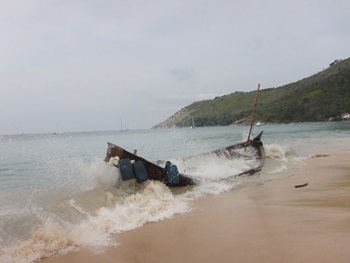
In the midst of the cautious excitement accompanying Burma’s seeming democratic transition, one of the key human rights issues that international leaders and Burma’s pro-democratic and ethnic activists have failed to address is the continuing statelessness and marginalisation of the Rohingya, the Muslim ethnic minority concentrated in northern Rakhine state, bordering Bangladesh. Rakhine (formerly known as Arakan), one of the poorest and most isolated states in Burma, is home to some 800,000 Rohingya, who are among the world’s most persecuted communities, on par with the Roma in Europe and the Hmong in Laos. They have remained stateless for decades, with neither home nor citizenship, popping up on the world’s consciousness only when a humanitarian crisis strikes. The most recent such crisis occurred in January 2011 when yet another boatload of Rohingya emigrants was detained in Thai waters, towed away by the Thai Navy and left to die in the open sea without an engine, food or water.



 First, some “facts”. “Facts” within quotes because no one quite appears to know the “truth”. I am therefore relying on emails, first-person (albeit unverified) accounts, news-reports and of course, the wonderful world of internet..As you will realise after reading this, the whole thing appears mysterious – and raises more questions than answers. Earlier yesterday morning, I was alerted to this news-report (from the HT) by Sh Krishen Kak (emphasis added, throughout):
 ၁၉၆၁ ခုႏွစ္ နိဳဝင္ဘာလ (၁၅)ရက္ေန႔ ေမယုနယ္ျခားခရိုင္ ေမာင္ေတာျမိဳ ႔၌ က်င္းပခဲ႔သည္႔ ဒုတိယ အၾကိမ္း မူဂ်ာဟစ္ လက္နတ္ခ် အလင္းဝင္ အခမ္းအနားၾကီးတြင္ ဒု-ကာကြယ္ေရး ဦးစီးခ်ဳပ္(ၾကည္)ဗိုလ္မွဴးခ်ဳပ္ ေအာင္ၾကီး ၊ ဒု-ကာကြယ္ေရးဦးစီးခ်ဳပ္(ေရ) ဗိုလ္မွဴးခ်ဳပ္ သန္းေဖႏွင္႔ နယ္ျခားေဒသအုပ္ခ်ဳပ္ေရး အရာရွိခ်ဳပ္
 Thirty year-old Ahmed (not his real name), is a Rohingya
refugee. He and other refugees fled to Malaysia by the dangerous sea route
frequented by Rohingya boatpeople, leaving from Bangladesh. They sought a better
life after more than 20 years living in squalid conditions in small sheds in
Bangladesh refugee camps, with no official status with the UNHCR and Bangladesh
authorities,
Thirty year-old Ahmed (not his real name), is a Rohingya
refugee. He and other refugees fled to Malaysia by the dangerous sea route
frequented by Rohingya boatpeople, leaving from Bangladesh. They sought a better
life after more than 20 years living in squalid conditions in small sheds in
Bangladesh refugee camps, with no official status with the UNHCR and Bangladesh
authorities, (Hong Kong, May 10, 2012) The Asian Human Rights Commission has described the verdict of a court in Rangoon, sentencing a torture victim to death for his purported role in a bombing, as "farcical" and a "cut-and-paste" job, and has called for his release through the intervention of outside agencies.

 They were camping at United Nations High Commissioner for Refugees (UNHCR) in Vasant Vihar from April 9 and were shifted to the Mazar land on May 9.
  The Rohingya community, originally from Burma, were resettled in Carlow in June 2009 as part of the UNHCR (United Nations high commissioner for refugees) resettlement programme. The community lived in refugee camps in Bangladesh from the early 1990’s.